Across the world, many people are staying at home to combat the spread of COVID-19. While self-isolation might be a bit daunting, it’s also a great opportunity to catch up on your reading. To help pass the time, we are giving customers five free eBooks each week for four weeks. Read through this week’s options, add the eBook to your basket and use the code FREEBOOKS3 at checkout to get your free eBooks.

From November 1942 through to May 1945, the backbone of the USAAF’s medium bomber force was provided by the clutch of bomb groups equipped with the B-25 Mitchell. First seeing action in North Africa in the wake of Operation Torch, and in the Battle of El Alamein, the ‘bombing twin’ proved to be one of the most successful allied combat types in the Mediterranean Theatre of Operations (MTO). The first of four volumes planned for the Combat Aircraft series on the Mitchell, this title includes first-hand accounts, 30 colour profiles and more than 100 colour and black and white photographs of the B-25 in the MTO.

The RPG-series of weapons is the most widely used family of lightweight antitank weapons in the world today. RPGs have been used not only against their intended targets, but against personnel, fortifications, buildings, soft-skin vehicles, watercraft, and aircraft. Lightweight, relatively compact, easy to operate and maintain, they meet most of the requirements of any armed group. Like any weapon system, RPGs and their ammunition have their limitations. While these limitations are much touted by proponents of more advanced weapons, they lose sight of many armed groups’ requirement for lightweight, compact, inexpensive, easy to operate and maintain weapons. Most sophisticated weapons tend to be just the opposite – heavy, cumbersome, excessively expensive, and requiring extensive training and an advanced support infrastructure. They are also more difficult to obtain due to export controls and restrictions. To be effective, an army actually needs a mix of both sophisticated and uncomplicated weapons. Gordon Rottman provides a detailed analysis of perhaps one of the most important weapons to be developed in the 20th century.
WAR 38: Fallschirmjäger by Bruce Quarrie
Illustrated by Velimir Vuksic

Few of the combatants of World War II have captured the imagination as compulsively as the Fallschirmjäger. Boldness and courage were vital characteristics in the rigorous selection process, and their training was highly demanding. Hitler’s airborne troops were involved in some of the most daring actions of the whole war; from the 1940 assault on Eben Emael and the invasion of Crete in 1941, to the rescue of Mussolini and the attempt on Tito’s life. In addition, they saw service as elite line infantry in the key theatres of North West Europe, North Africa and the Eastern Front. This title looks at the life and experiences of the average Fallschirmjäger, and includes first-hand accounts from different theatres and periods of the war.

Following the defeat at Wabash, in 1792 the Washington administration created a new US Army to replace the one that had been destroyed. The man chosen to lead it was the famous Major-General “Mad” Anthony Wayne. Having trained his new force, Wayne set out in 1793 to subdue the Ohio Indians. Wayne faced many of the same problems as St Clair including the logistical and intelligence problems of campaigning in the wilderness, not to mention the formidable Ohio Indians. Wayne faced additional problems including the likelihood that he would have to fight both British and Spanish forces, not to mention an American army led by the celebrated commander George Roger Clark. He also faced an insurrection in western Pennsylvania, “Whiskey Rebellion”, and a conspiracy led by many of his officers and contractors. Despite all these difficulties, Wayne managed to defeat the Ohio Indians at the battle of Fallen Timbers. This was a decisive defeat that led directly to the Treaty of Greeneville the following year which ended 20 years of conflict between the Americans and the Ohio Indians.

The history of Poland is a fascinating story of a people struggling to achieve nationhood in the face of internal and external conflict. Poland became a unified Christian state in AD 966 and by the 12th century a knightly class had emerged – a force that was integral to the defence of Poland against increasingly frequent foreign invasions. Intent on crushing rival Christian states, the Templars, Hospitallers and Teutonic Knights all mounted attacks but were beaten back by the Poles, as were invading Mongols and Turks. This book reveals the organisation, equipment and battle histories of the medieval Polish armies as they developed and modernised to emerge as one of the dominant powers of Eastern Europe.

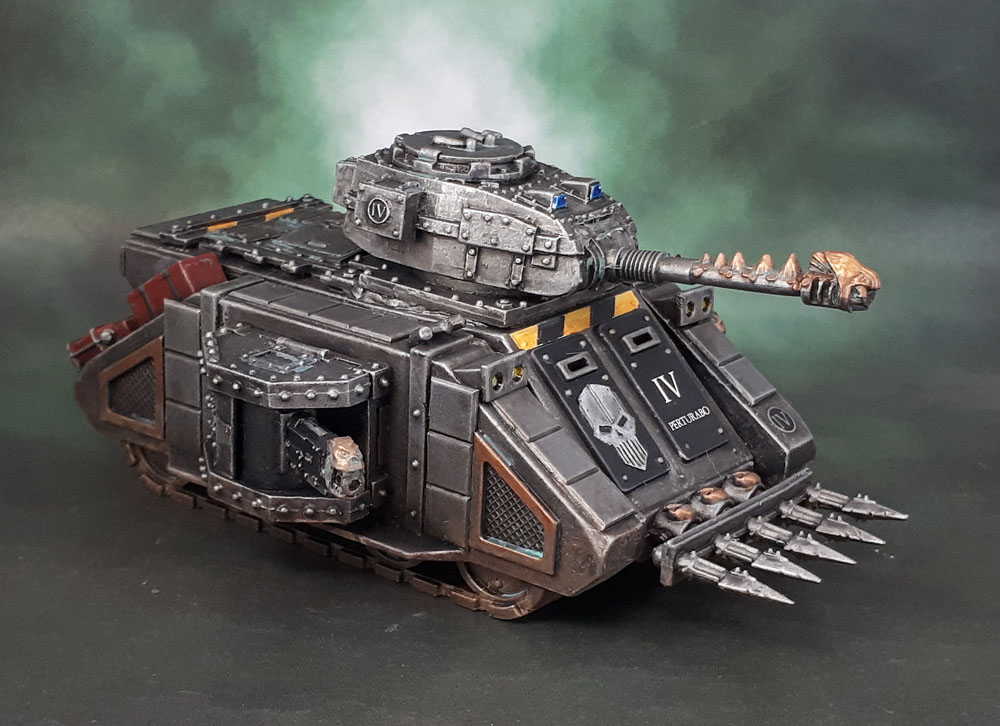
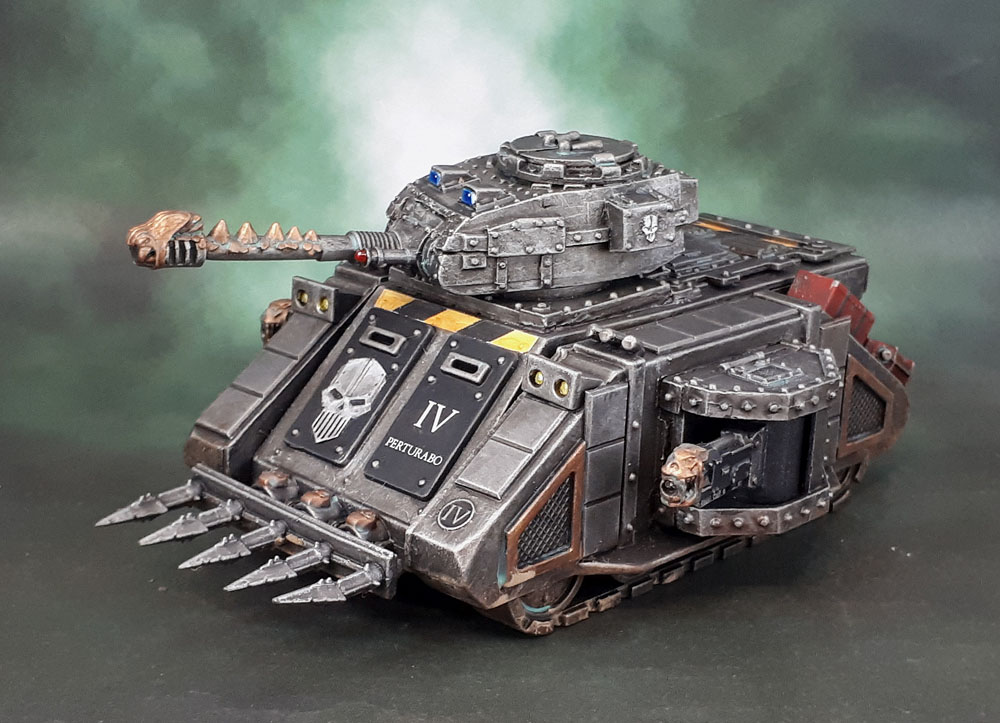
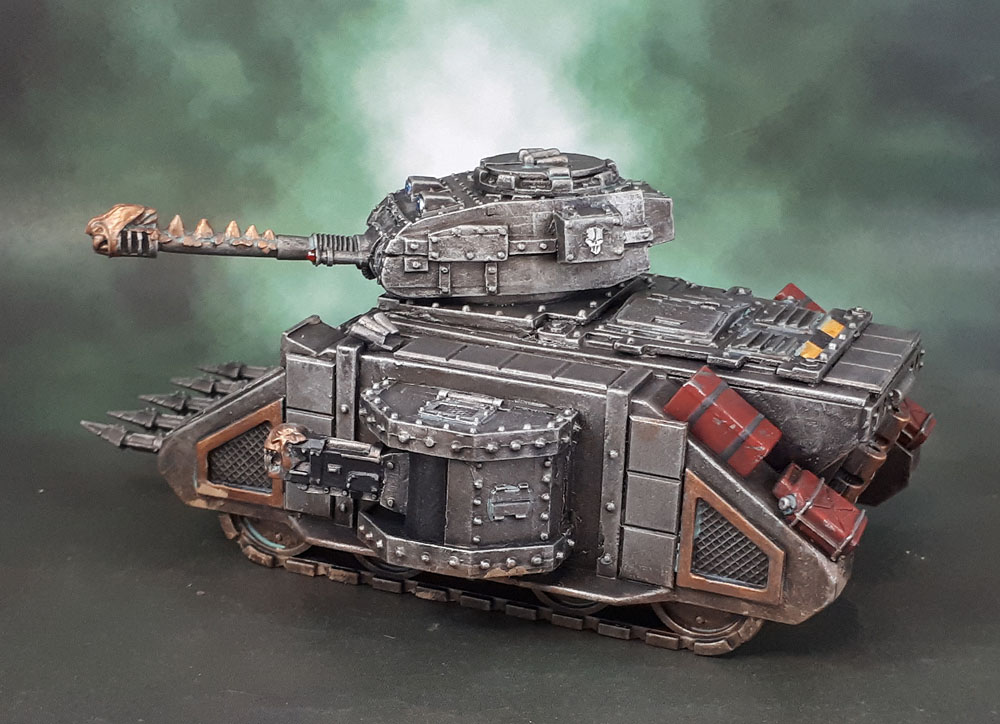


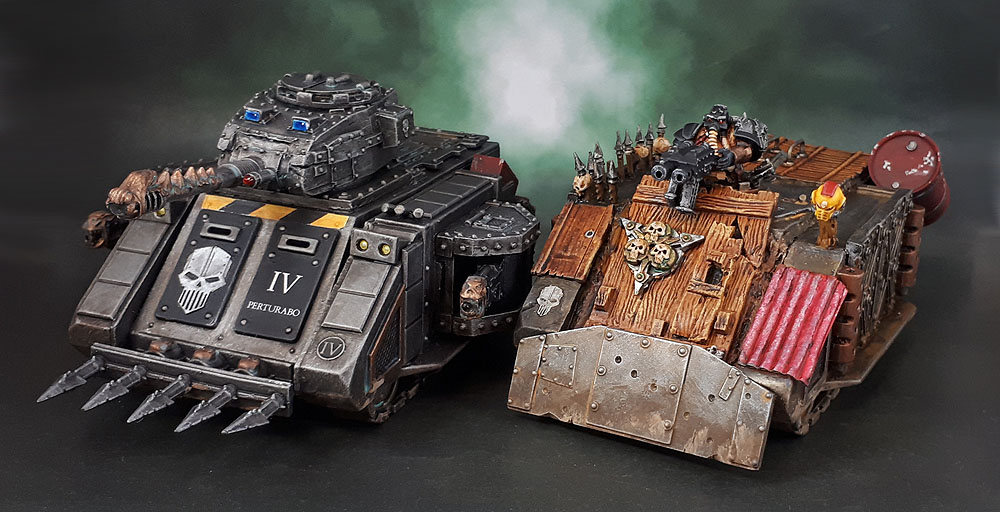
 Azazel's Bitz Box.